
Bring Color & Beauty to Your Life
Our mission? To paint your dreams into reality, and increase your homes level of comfort and the quality of it's appearance.


Our Services
Why Choose Us
Fast
We pride ourselves on completing every job on time and on budget
Clean
We'll leave your home or office clean and tidy, from top to bottom
Quality
Your satisfaction is guaranteed for every project
Insurance
Our team is fully bonded, for service you can trust
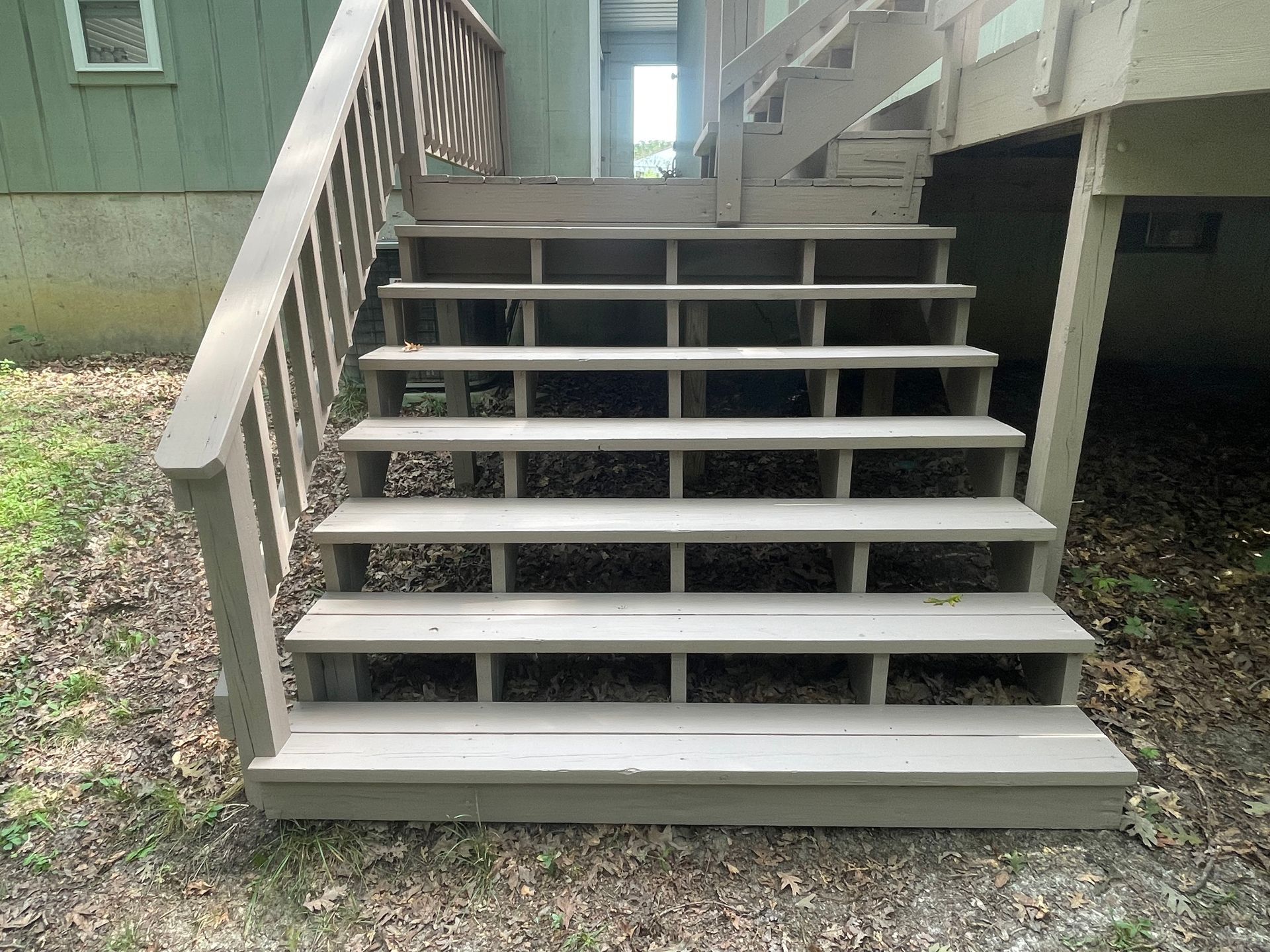
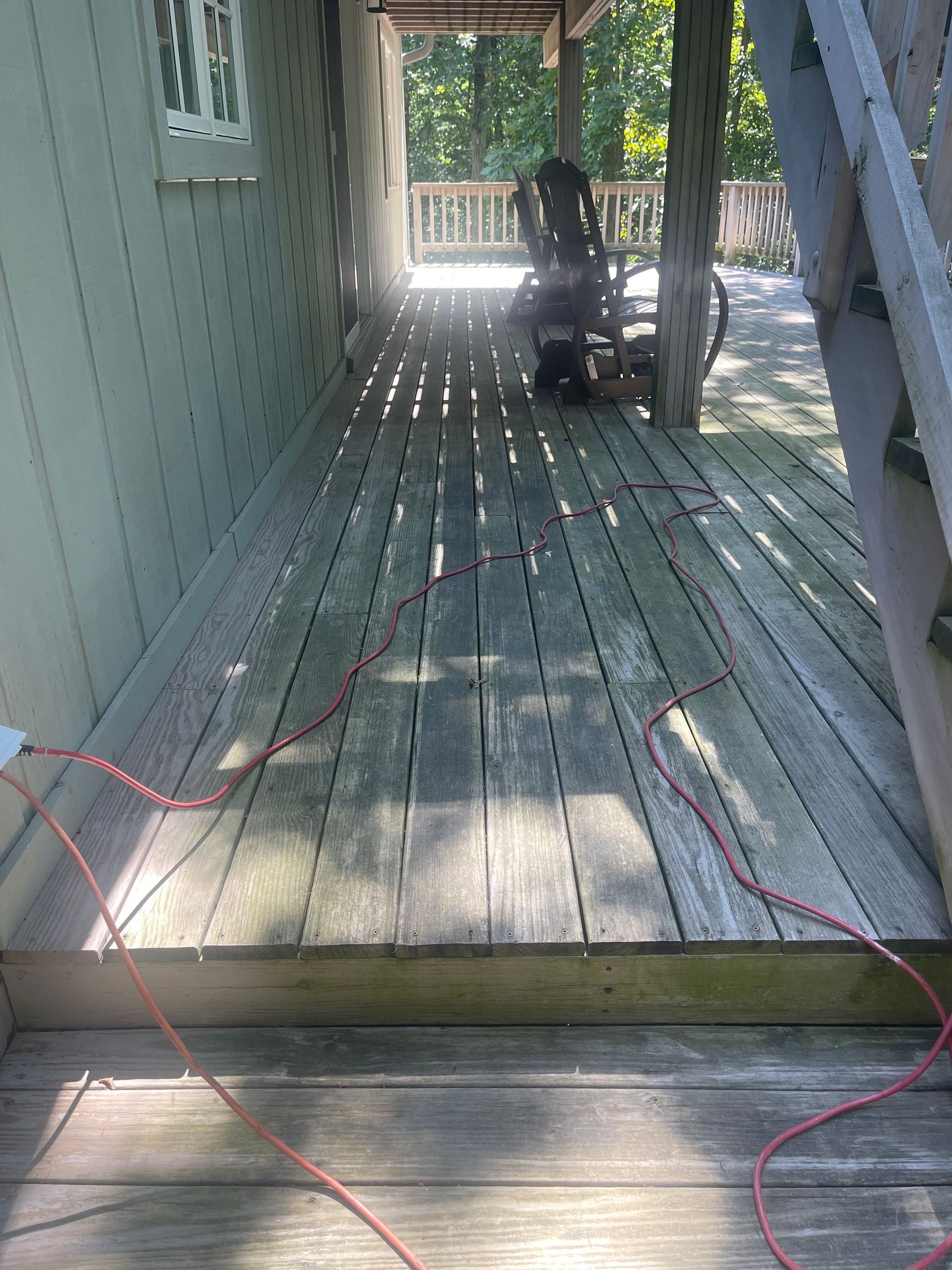
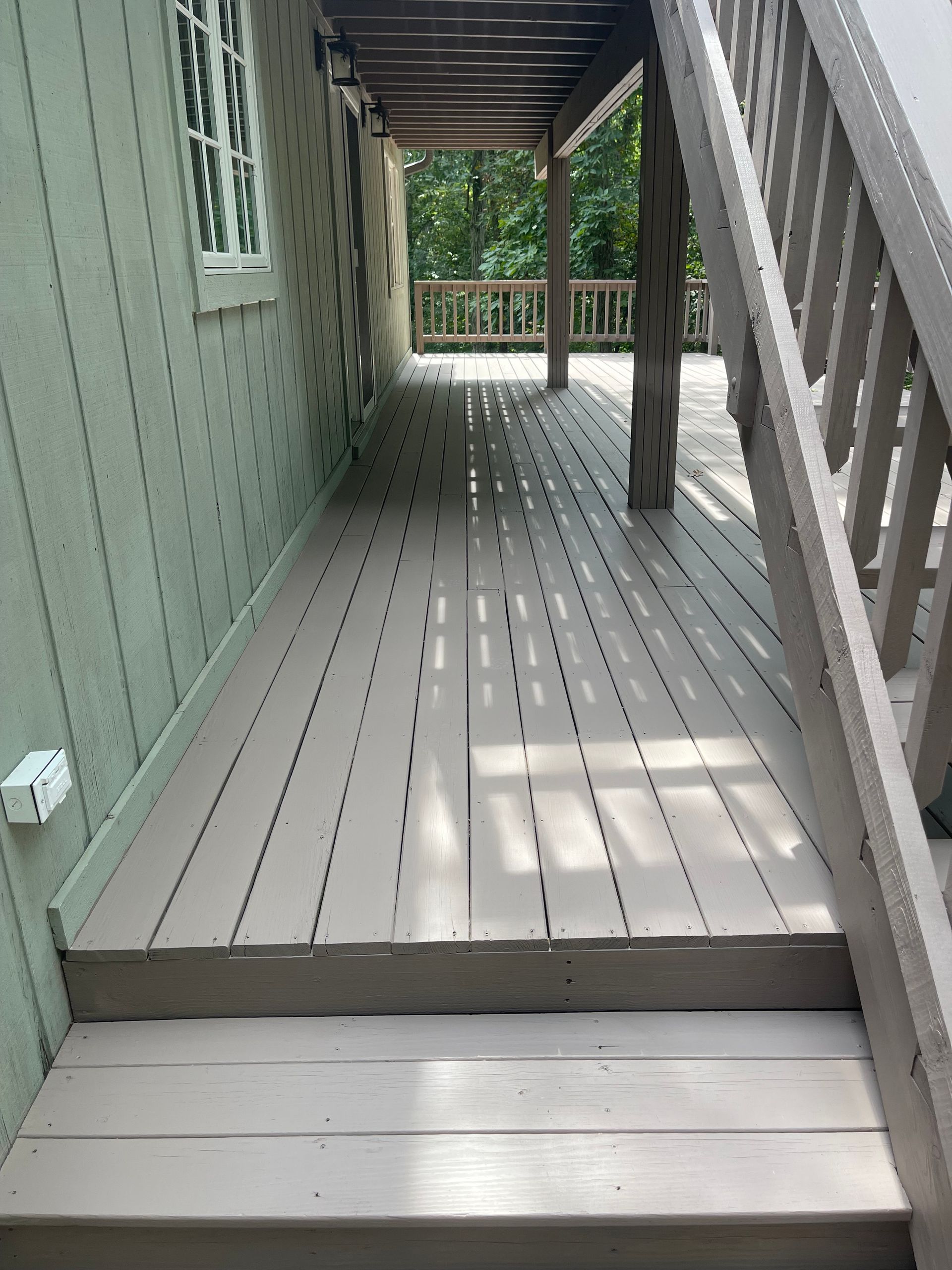
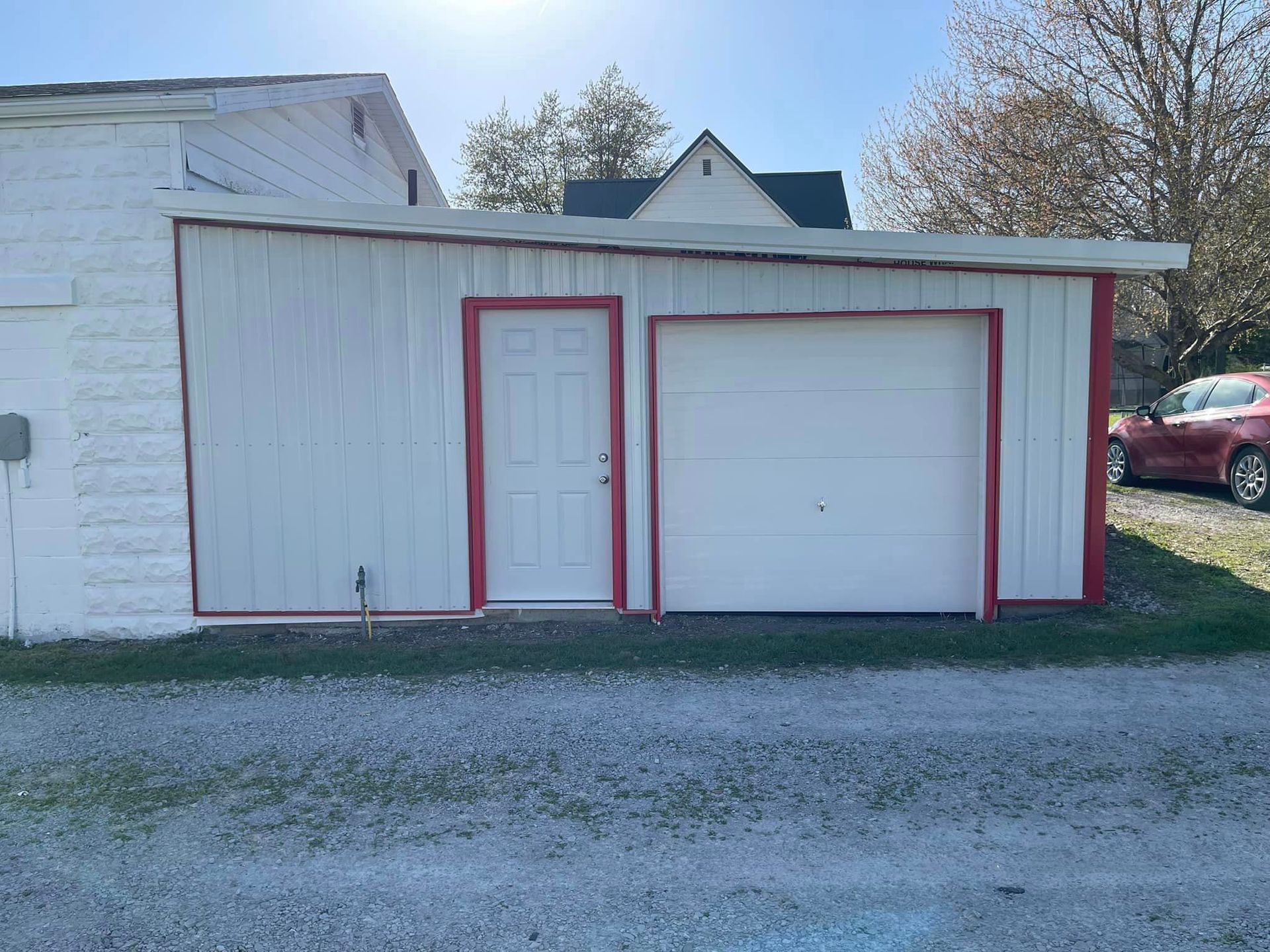
Our Latest Projects


















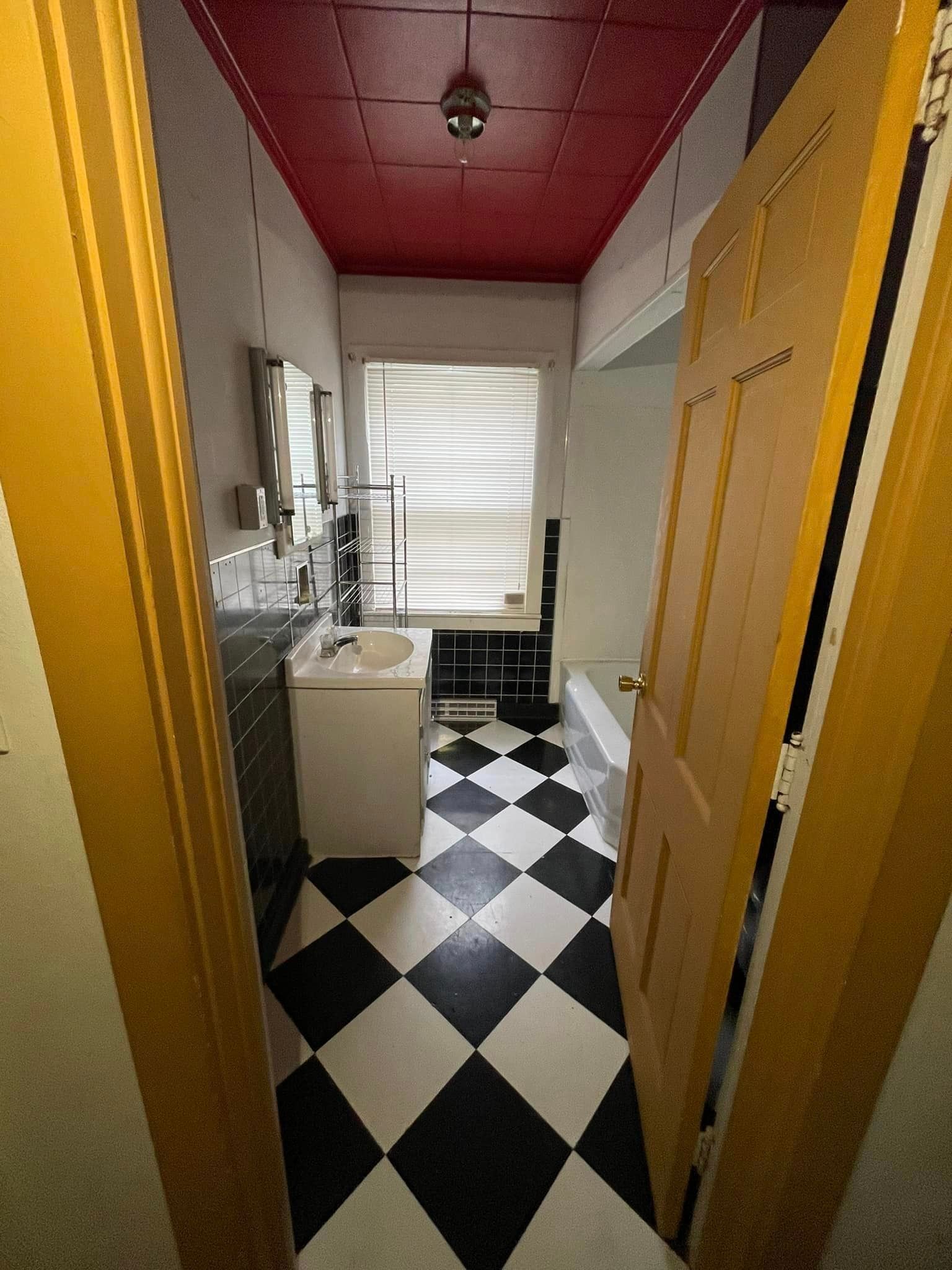


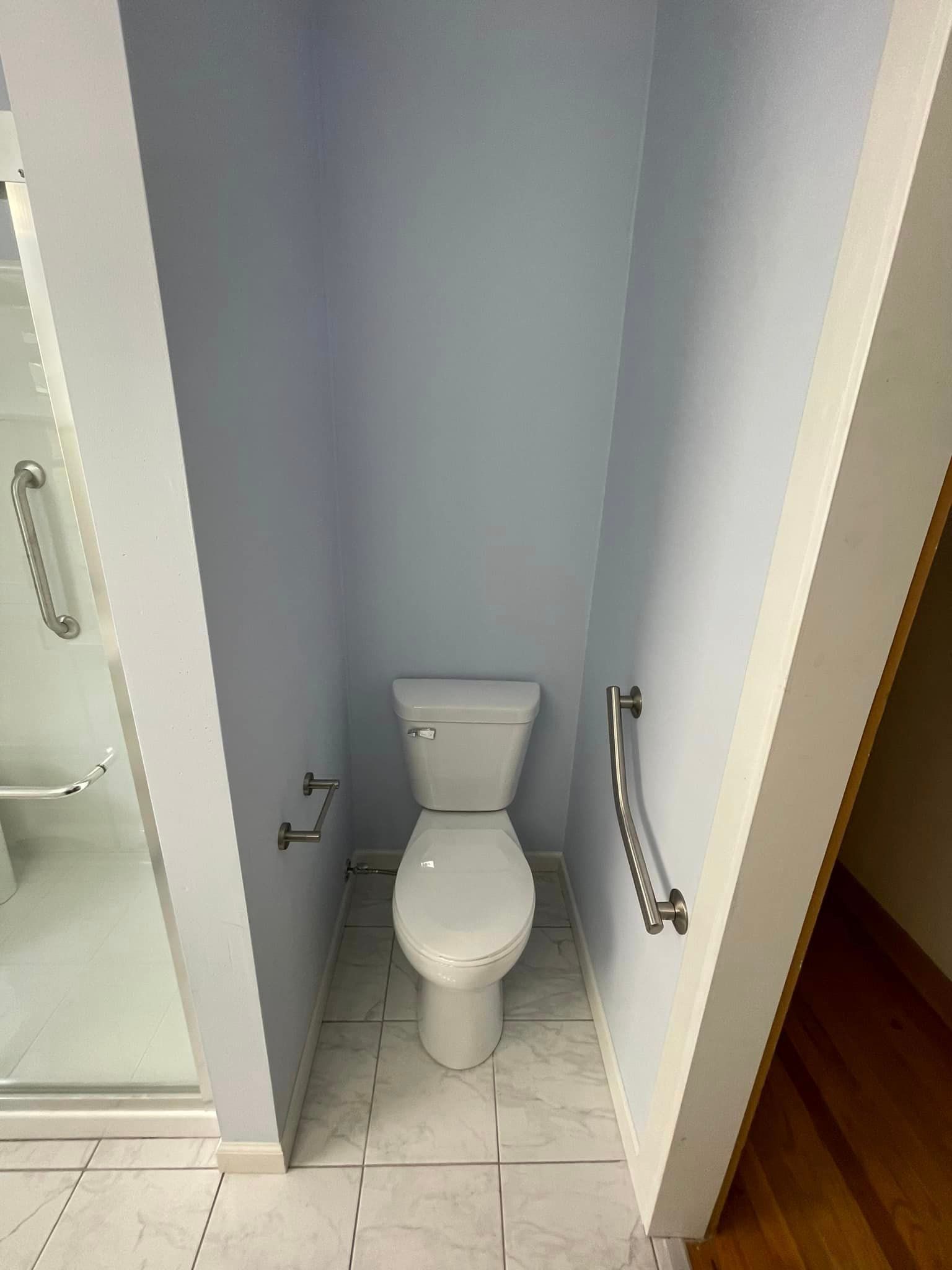













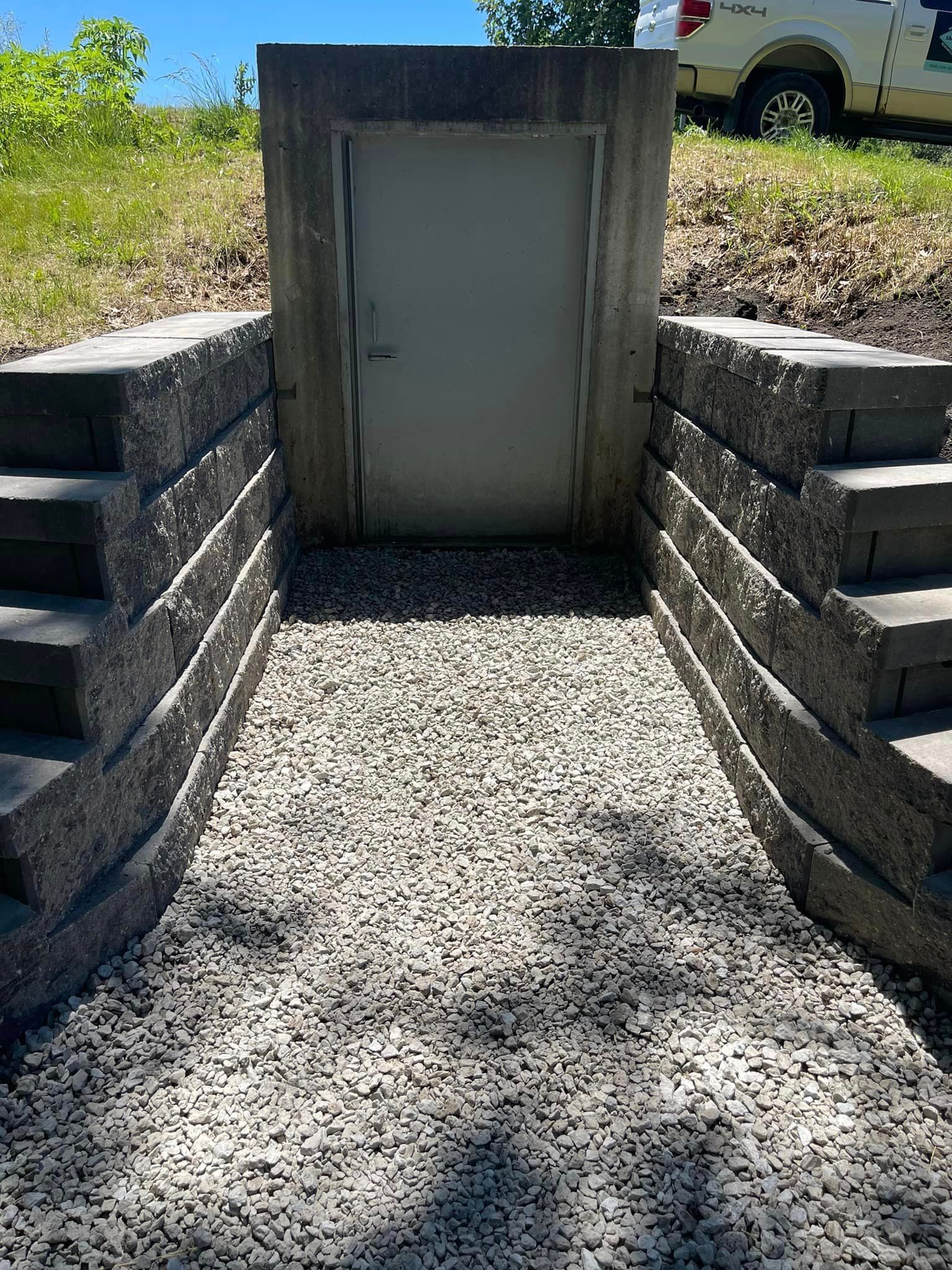
Great Things Our Clients Say

Tips & Ideas
For first-time investment property buyers, especially beginner real estate investors who’ve managed a home project or two but never a rental, the excitement comes with a very real knot in the stomach. The core tension is simple: one purchase decision can feel permanent, and the most common investment property challenges (numbers that don’t quite add up, unfamiliar risks, and landlord responsibilities) can make even confident adults second-guess everything. A clear grasp of real estate investment basics turns the noise into a plan, so the decision starts to feel less like gambling and more like building. Solid property ownership fundamentals make that first rental a calm, doable next step. Quick Summary: First Investment Property Game Plan ● Start by mapping the investment property buying steps so you know what to do, and in what order. ● Compare financing options to choose a loan setup that fits your budget and comfort level. ● Research rental market analysis to estimate demand, rent ranges, and likely tenant expectations. ● Run a profitability assessment to confirm the numbers work before you commit. ● Plan property management essentials early so the place stays rented, maintained, and low stress. How to Choose Financing and Pick the Right First Deal This process helps you go from “I want a rental” to a specific property you can finance, understand, and manage without panic. It matters because a first investment property is less about luck and more about choosing a deal that stays comfortable even when costs or rates shift. Get financing-ready and set your buy box Start with your credit check, down payment savings, and a realistic monthly payment cap, then decide what you will not compromise on (like minimum cash cushion). Build in extra room for repairs and vacancies so you are not forced to sell or scramble. This keeps your search focused and your lender conversations simple. Compare investor mortgage options like a shopper Request quotes for a few common paths (conventional investor loan, portfolio loan, and if you qualify, an owner-occupied option like house hacking). Compare the rate, required down payment, closing costs, and whether the payment can change later. Stay flexible because investor lending peaked and can tighten quickly, which affects approvals and terms. Pick a property type you can actually operate Choose between a single-family home, a small multifamily, or a condo based on your time, repair tolerance, and tenant style you prefer. If you hate surprise maintenance, a newer property may feel calmer even if the purchase price is higher. The “best” property type is the one you will still like managing on a busy week. Run simple deal math before you fall in love Estimate monthly rent, then subtract mortgage payment, taxes, insurance, basic maintenance, and a vacancy buffer to see if the cash flow is truly positive. Stress-test by raising expenses and lowering rent a bit to see if the deal still holds up. If the numbers only work in a perfect world, keep shopping. Use rental criteria and location clues to confirm the winner Score each finalist on easy-to-rent features (safe parking, functional layout, laundry, storage, and condition) and eliminate anything that will be hard to advertise. Then sanity-check the area with a quick commute map, nearby essentials, and a few comparable rentals to see what renters actually choose. When both the property and the neighborhood pass your checklist, you can make an offer with a steadier hand. Build a Profitable Short-Term Rental—Legally and Smoothly Once you’ve run the numbers and picked a deal that fits your budget, your next confidence boost is choosing a rental strategy that actually matches the market. Turning a property into a short-term rental can be a profitable first investment, if you treat it like a real business from day one. That means doing careful market research (so you’re not buying a “great getaway” that sits empty), preparing the property to be truly guest-ready, and planning for ongoing maintenance that doesn’t wait politely until after checkout. Just as important: you’ll need to follow local short-term rental rules, permits, and other regulations, because “I didn’t know” isn’t a defense that keeps the listing live. One big gotcha for new owners is insurance. Standard homeowners policies often exclude short-term rental activity, so you’ll want specialized liability coverage that protects you if a guest gets hurt or claims damage. If you want a practical overview of what it takes to set up a compliant short-term rental business, here's how . With the strategy set, the next step is making operations smooth enough to handle guests without handing over every weekend. Run Your Rental Like a Pro (Without Losing Weekends) Managing your first rental doesn’t have to mean living on call. A few repeatable property management strategies, set up once and followed consistently, can keep your property (and your sanity) in great shape. Lock down landlord insurance options before you hand over keys: Ask your insurer for a side-by-side quote that includes dwelling, liability, loss of rent, and optional add-ons like water backup and equipment breakdown. Confirm whether the policy treats your place as a long-term rental or a short-term rental, since the “guest-ready” setup from your legal-and-smooth STR planning can change what’s covered. Get the deductible amount in writing and decide now what you can comfortably pay out-of-pocket in a bad week. Build a professional real estate team, small, dependable, and on speed dial: Start with three roles: a real-estate-savvy insurance agent, a landlord-tenant attorney (or legal clinic contact), and a CPA or tax pro who understands rentals. Then add one “boots-on-the-ground” person: a handy contractor or maintenance tech who actually returns calls. Treat this like hiring subcontractors for a renovation, check references, confirm pricing rules (hourly vs. flat), and keep a shared contact sheet with after-hours procedures. Decide between self-managing rental properties or hiring help using a simple time-and-risk test: For two weeks, track how long you spend on inquiries, showings, screening, coordination, and bookkeeping. If you’re routinely over 3–5 hours per week per unit, or you travel often, get quotes from property managers and compare the fee to your “time budget.” Keep your decision tied to compliance: if local short-term rental rules require fast response times or detailed logs, paying for help can be cheaper than getting it wrong. Standardize tenant relations management with a “Day 1 welcome system”: Send a welcome message that includes how to pay rent, how to submit maintenance requests, trash day rules, and one clear sentence on what’s an emergency. Do a move-in walkthrough with photos and a simple checklist, then share a copy so expectations are mutual. Good tenant relations aren’t about being a pushover, they’re about clarity so small issues don’t turn into big ones. Create a maintenance cadence that prevents 80% of panicked texts: Put recurring reminders on your calendar for quarterly filters, seasonal exterior checks, and an annual HVAC/plumbing look-over. Keep a “parts bin” on-site if possible (extra furnace filters, smoke/CO batteries, air vent covers) so fixes don’t require three store runs. Preventive maintenance also supports the guest-ready mindset from short-term rentals: clean, safe, and operational beats “cute but broken” every time. Document everything like you’re running a tiny business (because you are): Use one folder structure for leases, inspection photos, invoices, warranties, and rule compliance items. Save all communication in writing after phone calls with a quick recap message. A helpful reality check is that 66% of homesellers used an agent referred to them or one they’d worked with before, good records and smooth operations make it far easier to earn referrals from tenants, neighbors, and local pros. Quick Answers for First-Time Property Investors Q: What are the key steps I should follow when buying my first investment property? A: Start by setting a target monthly cash flow and a maximum purchase price based on real numbers, not hope. Confirm financing, then run a conservative rental estimate and full expense list before you write an offer. During due diligence, verify lease terms, inspection results, and any local rental rules that could limit how you operate. Close only when the numbers still work with a buffer. Q: How can I evaluate if a property is likely to be profitable as a rental investment? A: Estimate rent from comparable listings and recent leases, then subtract vacancies, repairs, insurance, taxes, utilities, and a reserve fund. If you use a mortgage, stress-test the payment at slightly higher rates and assume at least one “annoying” repair per year. The reality that highly-leveraged NZ investment properties can run negative cashflow is a good reminder to be strict with your assumptions. Q: What factors should I consider when deciding between managing the property myself or hiring a property manager? A: Think in three buckets: time, temperament, and compliance. If you travel, dislike late-night coordination, or your area has detailed rental regulations, hiring help can be cheaper than learning the hard way. If you self-manage, create a clear communication window and a simple system for screening, rent collection, and maintenance requests. Either route works when the rules and routines are written down. Q: What types of insurance should I invest in to protect my investment property and myself as a landlord? A: Prioritize landlord or rental dwelling coverage plus liability, then consider loss of rent for covered disasters and optional add-ons like water backup. Ask what’s excluded (pets, certain plumbing claims, short-term stays) so there are no surprise gaps. Pair insurance with smart safeguards like documented inspections and written policies, since effective risk management helps protect assets and income . Turn Your First Purchase Into Steady, Stress-Lite Rental Income Buying your first investment property can feel like juggling numbers, rules, and surprise repairs while hoping the rent behaves. The steadier path is the one built on calm, repeatable thinking, treating it like a business, checking assumptions, and leaning into long-term property management instead of quick wins. Do that, and confident investment property ownership starts to feel less like a leap and more like a series of solid steps toward building rental income. Confidence comes from clear numbers, simple systems, and steady follow-through.
Southeast Iowa home-based business owners usually notice the squeeze long before they admit it: orders are up, the dining table is “temporarily” covered in supplies, and every workday starts with a game of moving piles. The real culprits aren’t laziness or lack of grit, they’re small business growth meeting a layout that was never built for shipping stations, client calls, or team help, and those business expansion challenges turn simple tasks into constant friction. When workspace optimization hits a hard limit, upsizing residential property stops feeling like a guilty splurge and starts looking like a practical upgrade. A bigger home can make the business run calmer and cleaner. ## Choose a Bigger Home That Fits Your Business Here’s how to move from cramped to confident. This process helps Southeast Iowa homeowners upgrade into a larger home that supports a growing business without wrecking daily life or your maintenance budget. You will know what you can afford, what to watch in the market, and how to judge each property like a practical owner, not just an excited shopper. Step 1: Define what “bigger” needs to solve Start with define your vision in plain language: what work activities must happen at home, and what home life needs protecting. Write a short must-have list (separate room, storage, parking, quiet calls) plus nice-to-haves so you do not get distracted by shiny finishes. Step 2: Set a purchase budget and a monthly “real life” budget Use a tool to estimate a home price range and then pressure-test it with utilities, insurance, commuting, and routine upkeep. If the numbers only work on your best month, tighten the range now so you do not buy yourself stress. Step 3: Track the market for 2 to 4 weeks before you tour hard Pick a few target neighborhoods and watch list prices, days on market, and how often homes go pending. When existing home sales rise, good fits can move faster, so a short trend-watching window helps you act quickly without panicking. Step 4: Research listings like an owner, not a visitor For each home, scan photos and disclosures specifically for business-friendly bones: electrical capacity, basement moisture, storage potential, and a path for deliveries that will not trample your living space. Bring a simple checklist to showings so every property gets the same fair review. Step 5: Confirm the location works for both work and weekends Do a drive-by at different times and note noise, parking, lighting, and how easy it is for clients or carriers to find you. If a spot forces constant workaround behavior, it will wear you out even if the house is perfect. A little structure now makes the “right house” feel obvious when you see it. Design a Home Office That Can Handle Next-Year You A bigger house is exciting, until your business stuff starts colonizing every flat surface. Use these tips to turn “I need more space” into a real, workable home office plan that fits your budget and gives your business room to grow. Sketch your workflow before you buy furniture: List your weekly tasks in order (shipping, calls, filming, bookkeeping, inventory) and assign each one a “home.” A simple layout rule: keep your most common task within one swivel of your chair, and put messy tasks (packing, product testing) closer to a hard floor and a door. This keeps you from wasting steps and helps you judge whether that “extra bedroom” you budgeted for will truly function as your HQ. Build storage that scales (without eating the room): Start with three zones: daily-use (desk drawers), weekly-use (shelf or cabinet behind you), and long-term (closet or labeled totes). Leave 20–30% empty space on shelves on purpose, future inventory always arrives faster than we expect. If you handle physical products, add one dedicated “incoming” bin and one “ready to ship” spot so orders don’t mingle with returns and random life clutter. Plan your tech like a mini utility system: Pick one “network corner” where the modem/router, power strip, and cable management live, then run everything else from there. Put your computer and internet gear on a battery backup, and label cords so troubleshooting doesn’t become an evening hobby. Before you commit to a room, verify you have enough outlets and that your Wi‑Fi is strong at the desk, the packing table, and any spot you take calls. Create privacy and sound control with simple layers: If you’re on client calls, treat the office like a bedroom: door that shuts, a solid rug, and thick curtains or a fabric wall hanging to cut echo. A white-noise machine outside the door can help, and weatherstripping is a surprisingly cheap “sound upgrade.” If the only possible office is near the kitchen, schedule call blocks and add a visual “do not disturb” sign so your household knows when you’re “in session.” Refresh the space so you actually want to work there: A quick coat of paint, decent lighting, and a clean desktop can change your whole attitude about logging on. The idea behind refresh your office space is simple: when the room feels calm and intentional, it’s easier to start (and finish) work. Set a 30-minute weekly reset, trash out, papers filed, shipping supplies topped off, so Monday doesn’t begin with a scavenger hunt. Set “leader habits” that keep the office from running you: Growth usually adds decisions, not just sales, so build routines that protect your brainpower: a daily top-three list, a weekly money/admin hour, and a standing “process improvement” note where you jot what broke this week. Research connecting resilient leaders with growing businesses is a good reminder that your workspace should support steadiness, clear surfaces, clear systems, clear priorities. When you act like the future boss of a bigger operation, your home office starts behaving like one, too. Once the room, storage, and tech are mapped, you can turn the plan into a setup checklist, so moving day doesn’t feel like you’re rebuilding your business from scratch. Plan → Pack → Settle → Tune Your New HQ To keep it simple, use this weekly rhythm. This workflow helps southeast Iowa homeowners move into a bigger home without your business going dark for a week. It gives you a calm order of operations so you can keep serving clients, find what you need fast, and avoid the classic “where did the labels go?” spiral. Think of it like a renovation sequence: prep, protect, install, then adjust. Stage \ Action \ Goal Map the work List critical tasks, tools, and deadlines No surprises about what must keep running Coordinate helpers Use formulate a relocation team for Everyone knows who does what and when roles and timing Pack by function Box by task zone, label, and stage You can ship, bill, and answer calls immediately essentials separately Move and verify Test internet, outlets, lighting, and Day-one operations work without troubleshooting shipping flow marathons Reset and improve Note bottlenecks, adjust layout, The space gets easier to run each week schedule a weekly tidy Run the stages in order, but keep them looping: what you learn during setup becomes next month’s better packing list and layout tweaks. When roles are clear and essentials stay accessible, the move feels like progress instead of disruption. Start small, follow the stages, and let momentum do the heavy lifting. Quick Answers for Upsizing Without the Panic A few calm answers for the big “what ifs.” Q: What are the most important features to look for in a larger home to ensure it meets both my family's and my home office needs? A: Start by naming your biggest pressure point: cash flow, quiet focus, or client access. Then look for a layout with a door you can close, strong natural light, and enough storage so work gear does not spill into family space. Bonus points for a separate entry or nearby half bath if you ever meet clients at home. Q: How can I effectively research and compare different neighborhoods to find the best location for a home-based business setup? A: Pick two “non-negotiables” first, like reliable internet options and easy parking or delivery access. Drive the area at the times you actually work, then test cell signal and note noise, lighting, and winter maintenance on the street. If cash flow is the pressure, compare total monthly costs, not just the mortgage. Q: What strategies can I use to minimize disruption to my daily routine and business operations during the moving and setup process? A: Protect your revenue first by keeping one “mobile office kit” with laptop, chargers, paperwork, and your top tools in a single bin that never gets packed away. Schedule your move around your busiest client days and batch tasks so you are not switching gears every hour. If permits or utility scheduling is the stressor, book those appointments early and build in a buffer day. Q: How do I assess the specific renovations or technology upgrades my new home might require to support a productive work environment? A: Walk the house like a contractor: count outlets, check lighting at your working hours, and note where noise travels. For tech, confirm modem location, Wi-Fi coverage, and whether you need a hardwired connection for calls or uploads. If you are unsure, a quick consult with an electrician or handyman can turn guesswork into a clear punch list. Q: If I am feeling overwhelmed by managing both my growing home-based business and the complexities of upsizing my home, what steps can I take to develop stronger leadership and organizational skills? A: Shrink the problem by choosing one decision driver each week, like cash flow or client access, and make a simple checklist for only that category. Track a few basic numbers, because businesses that lead with data can make decisions faster and with less second-guessing. If you want extra structure, consider earning an mba degree or flexible online leadership or project-planning courses built for working adults. You have got this, one smart decision at a time. Choosing a Bigger Home That Supports Your Business Growth When home and business start tripping over each other, laundry pile meeting client files, it’s hard to grow without feeling squeezed. The way through is the same calm approach used all along: motivational home upsizing with clear priorities, confident relocation strategies, and a plan for balancing home and business without overthinking every decision. Done well, the move creates space to work, breathe, and keep serving customers while setting up a future-proofing workspace for the next season of business growth encouragement. Pick the space that fits your next chapter, not your last one. Schedule one tour and bring a short must-have list, then let the right layout make the choice easier. That extra room isn’t just square footage, it’s stability, energy, and momentum for whatever comes next.
For new residents who suddenly find themselves juggling leases, mortgages, and a seemingly endless to-do list, adjusting to a new town can feel like living inside a dozen open tabs. The relocation challenges are real: decision fatigue over every tiny purchase, awkward loneliness between boxes, and the emotional impact of moving that hits at random, usually when the coffee maker goes missing. Renters and homeowners alike run into the same settling-in struggles, because “home” isn’t just an address; it’s routines, comfort, and a sense of control. With a calmer, more practical mindset, settling in can start feeling doable. Quick Summary: Settle In Faster ● Start unpacking strategically by tackling essentials first, then setting up the rooms you use daily. ● Get to know the neighborhood by taking short walks and trying a few nearby go-to spots. ● Find essential services early, like doctors, pharmacies, grocery stores, and reliable home help. ● Join local community life through events, groups, and friendly hellos to build connections quickly. ● Create little routines and comforting touches at home so the new place feels like yours sooner. Build Your First-Week Routine: Unpack, Explore, Connect, and Set Up Services The first week in a new place can feel like living out of boxes with a side of “where did I put the scissors?” energy. A simple routine, unpack a little, explore a little, connect a little, and set up the basics, turns the chaos into a plan. Do a “priority unpack” in zones, not rooms: Pick three zones to make functional first: sleep (bed + sheets), hygiene (bathroom basics), and food (one clear counter + coffee/tea setup). Spend 30–60 minutes per zone, then stop, progress beats perfection. This matches the quick-reset idea: get the essentials working so your brain can relax and you can tackle the rest without frustration. Run a 15-minute “home efficiency sweep” each night: Keep one open bin for “put away later,” then do a quick loop: trash out, dishes in, boxes flattened, and tomorrow’s outfit set. You’ll wake up to a calmer space and avoid the slow creep of clutter that makes a new place feel temporary. If you’re planning any painting or small updates, set aside a single “project corner” so supplies don’t sprawl across the living room. Map a tiny neighborhood exploration plan (three stops, one hour): Choose three nearby places to visit in your first week: a grocery store, a park, and a casual takeout spot. The goal is repetition, go to at least one of them twice so it starts feeling familiar. Use a simple checklist mindset to explore neighborhood basics and you’ll quickly spot the shortcuts, parking patterns, and “oh, that’s where that road goes” connections. Use community centers and events as your social shortcut: Community centers, libraries, and recreation departments are basically cheat codes for meeting people without awkward networking pressure. Check the bulletin board or website and attend one low-stakes thing, open gym, a class, a volunteer day, a local talk. Give yourself a tiny mission like “learn one person’s name” or “ask for one restaurant recommendation.” Start networking in a new town with “micro-asks”: When you meet a neighbor, delivery driver, or fellow dog-walker, keep it simple: “We just moved in, who do you use for a handyman?” People love sharing local intel. Write down names immediately in a notes list labeled “House People,” even if you don’t need them yet. Line up local service providers before something breaks: In week one, schedule or research the boring-but-life-saving stuff: utilities confirmation, trash/recycling rules, internet setup, and one go-to for each category, plumber, electrician, HVAC, and a painter if you’re changing colors soon. Call or message two options, ask about typical response time, and save their numbers. Future-you will be very grateful the day the sink decides to audition for a waterfall feature. A week like this makes your home feel usable fast, and once the basics are running smoothly, it’s much easier to build small daily habits that make the whole town feel familiar. Habits That Make a New Place Feel Like Yours These habits turn “we just moved” into “we live here” by building comfort through repetition. They also help homeowners and renters pace small painting and update decisions without living in a never-ending project. The Two-Minute Morning Reset ● What it is: Make the bed, open blinds, and clear one surface. ● How often: Daily. ● Why it helps: A quick win makes the space feel intentional fast. One-Box, One-Decision Rule ● What it is: Empty one box, then choose to keep, donate, or store. ● How often: Daily or every other day. ● Why it helps: Fewer “maybe later” piles means the home feels settled sooner. Paint-and-Repair Notes Walk ● What it is: Do a five-minute lap and log scuffs, nail holes, and touch-ups. ● How often: Weekly. ● Why it helps: You plan upgrades calmly, not in a stressed scramble. One Hello a Day ● What it is: Greet a neighbor or staff member and ask one simple question. ● How often: Daily. ● Why it helps: Stanford says habits are easier when they’re small and repeatable. School-to-Home Recap ● What it is: Ask kids “one good thing, one hard thing,” then name tomorrow’s plan. ● How often: Weeknights. ● Why it helps: Predictable check-ins support kids’ confidence and routine. Pick one habit this week, then tweak it to fit your household. Quick Questions When You’re New and Unsettled Q: What are some practical strategies to efficiently unpack and organize my belongings without feeling overwhelmed? A: Pick one “comfort zone” first, like your bed and a clear kitchen counter, so the home works even mid-chaos. Unpack by category (linens, toiletries, tools) instead of by room, and keep a donation bag open for instant edits. If you rent, stash paint samples and spackle in a single bin so small touch-ups do not turn into a scavenger hunt Q: How can I start building a social network and meet new people in an unfamiliar town? A: Use low-pressure repeats: walk the same route, visit the same coffee spot, or show up to one weekly class so faces become familiar. Say one simple opener like “Any favorite hardware store around here?” and let locals give you the script. Consistency beats charisma. Q: What are effective ways to explore my new neighborhood to feel more at home quickly? A: Do themed mini-missions: “find a park bench,” “locate the closest pharmacy,” or “discover a takeout place for tired nights.” Snap photos of paint colors, porch styles, and landscaping you like for future updates without rushing decisions. Aim for 20 minutes, then stop while it still feels fun. Q: How can I manage the stress and uncertainty that often come with settling into a new community? A: Treat stress like a checklist item: schedule a 10-minute wind-down and keep it non-negotiable. Research on stress management interventions shows they can meaningfully reduce stress, so simple breathwork, journaling, or a quick stretch can genuinely help. Also, limit big renovation choices to one decision per week until your nervous system catches up. Q: What resources can I turn to if I want to start a small business or side project after moving to this new town? A: Start by inventorying your skills, your available hours, and what you want this season of life to feel like. The idea of Holistic Career Advancement can help you set a timeline that respects your home setup, family needs, and energy. If you want to shore up your management fundamentals as you build, a bachelor in business and management can provide a structured base in planning, operations, and leadership. Then pick one learning track for 30 days and build a tiny weekly routine before you scale. Settling In Faster by Building Comfort and Community Roots A new place can feel oddly “not mine” even after the boxes are gone, and that in-between stage can make everything feel louder than it needs to. The fix isn’t rushing, it’s a positive relocation mindset: make steady choices that support long-term adjustment while letting community belonging grow at its own pace. Do that, and creating home comfort becomes less of a project and more of a rhythm, making it easier to start thriving in a new town. Home happens when comfort and connection show up regularly. Choose one comfort upgrade today, paint a small wall, hang the familiar art, or set up the chair that says “this is my spot.” That small anchor builds the stability and resilience that make the next chapter feel genuinely livable.

